

Essential Features That Make Online Math Tutoring Equally Effective
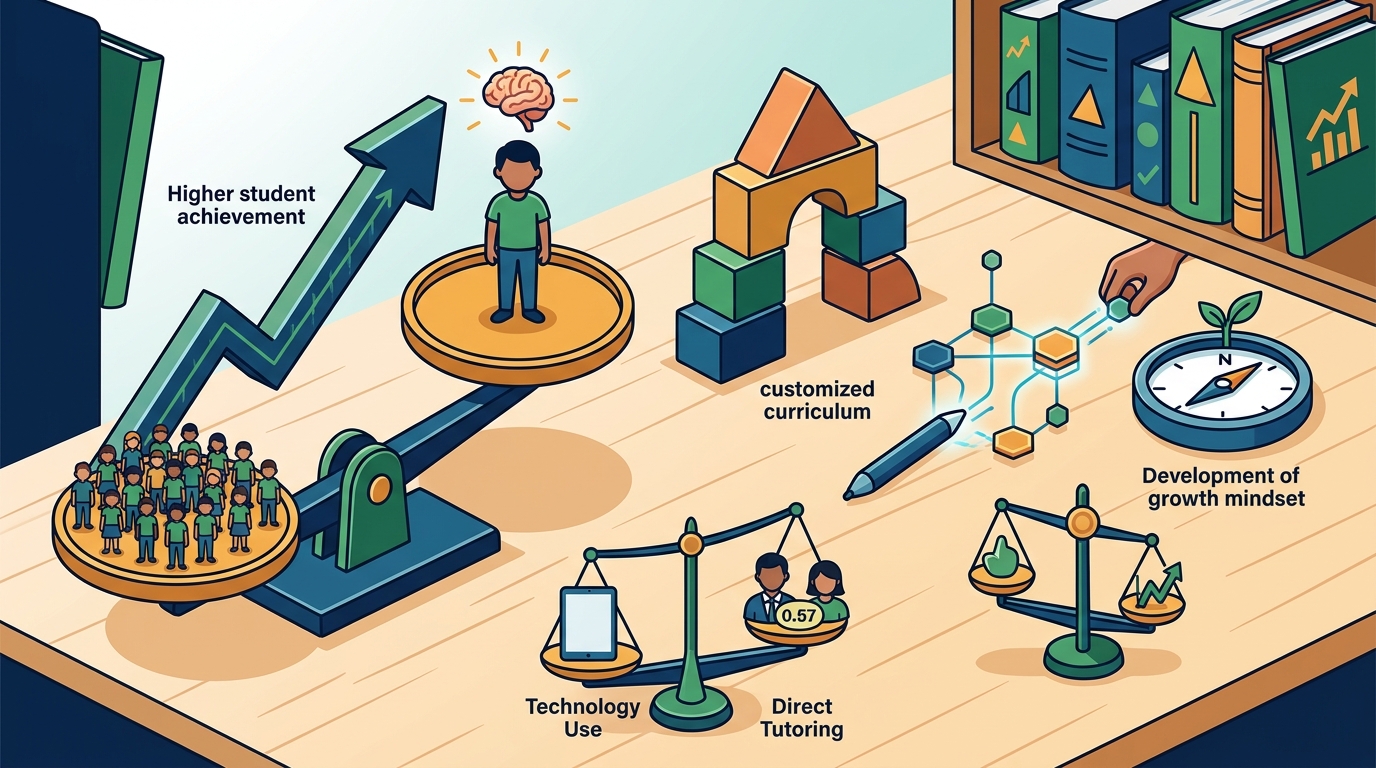
Research indicates that personalized instruction is the single most powerful in-school factor for improving student achievement. According to a comprehensive analysis by John Hattie, the average effect size of direct tutoring is 0.57, which is significantly higher than the average effect size of class size reduction or technology use in classrooms. This data shows that when delivered correctly, online math tutoring can match or exceed the efficacy of traditional face-to-face instruction. The key lies in identifying the specific operational features that bridge the digital divide and replicate the intimacy of a physical classroom. (Home)
The Role of Interactive Digital Whiteboards
Mathematics is a visual and procedural discipline. Students must see the step-by-step evolution of a problem to understand the underlying logic. A static video feed is insufficient for this purpose. Effective online tutoring platforms utilize high-fidelity, multi-touch digital whiteboards that allow for real-time collaboration.
These tools enable tutors to write, draw, and annotate simultaneously with the student. This shared canvas mimics the experience of sitting at a desk together. The tutor can highlight specific parts of an equation, circle errors, or sketch geometric proofs in real time. This immediacy is critical for maintaining student engagement and providing instant feedback.
Furthermore, advanced whiteboard features often include graphing capabilities, formula editors, and geometry tools. These features reduce the cognitive load on the student, allowing them to focus on the mathematical concepts rather than the mechanics of drawing perfect lines or typing complex fractions. The ability to save and review these sessions later provides a valuable study resource for the student.
Pedagogical Frameworks for Remote Learning
Technology alone does not guarantee success. The pedagogical approach must be adapted for the digital medium. Traditional lecture-style teaching rarely works in an online environment. Instead, successful online tutoring relies on active learning strategies and structured problem-solving methodologies.
Mathematical thinking is the process of analyzing problems and applying logical rules to find solutions. This definition highlights the need for tutors to guide students through the reasoning process rather than simply providing answers. Tutors must ask probing questions that encourage students to articulate their thought processes. This verbalization helps identify misconceptions early and reinforces neural pathways associated with correct reasoning.
Another critical component is the use of spaced repetition and cumulative review. Mathematical learning is both cumulative and cyclical. New concepts build upon previous knowledge. Effective online programs incorporate regular reviews of past topics to ensure retention. This approach prevents the "forgetting curve" from eroding progress and helps students connect new ideas to what they already know.
Additionally, the use of precise language is essential. Ambiguity in mathematical terms can lead to significant errors. Tutors must model the use of correct terminology and encourage students to do the same. This precision deepens mathematical understanding and prepares students for higher-level academic work.
Accessibility and Flexible Scheduling
One of the most significant advantages of online tutoring is accessibility. Geographic barriers are eliminated, allowing students to access top-tier educators regardless of their location. For students in rural areas or those with limited local options, this access can be transformative.
Flexibility in scheduling is another crucial feature. Online tutoring allows for sessions to be scheduled outside of traditional school hours. This is particularly beneficial for students who have busy extracurricular schedules or who learn better at different times of the day. The ability to book sessions on demand or at consistent times that suit the family's routine reduces stress and increases consistency.
Moreover, online platforms often offer multiple modes of interaction, including video, audio, and chat. This multimodal approach accommodates different learning preferences. Some students may prefer video for visual cues, while others may find audio-only sessions less distracting. The flexibility to choose the mode of interaction enhances the overall effectiveness of the tutoring experience.
Building Psychological Safety Online
Math anxiety is a real obstacle for many students. The fear of making mistakes in front of peers can be paralyzing. Online tutoring can provide a safer environment for students to take risks and make errors. The one-on-one nature of the session reduces the social pressure associated with classroom participation.
Tutors play a vital role in fostering a growth mindset. They must create an environment where mistakes are viewed as opportunities for learning rather than failures. By normalizing errors and celebrating the process of correction, tutors help students develop resilience and confidence.
According to educational psychology research, the belief that intelligence can be developed through effort is strongly correlated with academic success. Tutors who explicitly teach students to view their brains as plastic, rather than static, help them overcome fixed mindsets. This shift in perspective is essential for long-term academic achievement.
Additionally, the personal connection between tutor and student is paramount. Online tutors who take the time to understand individual learning styles, interests, and goals can build stronger rapport. This rapport translates into higher motivation and engagement. Students who feel seen and understood are more likely to persist through challenging material.
Comparing Tutoring Models
Understanding the differences between various tutoring models helps parents and students make informed decisions. Below is a comparison of common online tutoring formats.
| Feature | One-on-One Private Tutoring | Small Group Online Classes | AI-Driven Adaptive Platforms |
|---|---|---|---|
| Personalization | Highly customized to individual needs | Moderate, tailored to group level | High, based on algorithmic performance |
| Interaction | Direct human dialogue | Peer and tutor interaction | Human-machine interface |
| Flexibility | Very high, on-demand scheduling | Moderate, fixed class times | Maximum, 24/7 availability |
| Cost | Premium pricing model | Moderate, shared cost | Low, subscription-based |
| Best For | Specific skill gaps and anxiety | Social learners and collaboration | Practice and reinforcement |
Key Takeaways
- Interactive digital whiteboards are essential for replicating the tactile experience of math instruction.
- Pedagogical frameworks must emphasize mathematical thinking over rote procedure completion.
- Accessibility and flexible scheduling remove geographic and temporal barriers to quality education.
- Psychological safety is critical for overcoming math anxiety and fostering a growth mindset.
- One-on-one private tutoring offers the highest level of personalization and immediate feedback.
- Consistent review and cumulative learning strategies prevent knowledge decay.
- Building rapport between tutor and student is a strong predictor of student success.
Frequently Asked Questions
How does online math tutoring compare to in-person tutoring?
Online math tutoring can be equally effective as in-person tutoring when it utilizes interactive tools and strong pedagogical strategies. The key difference lies in the medium of instruction, but the core principles of personalized feedback and conceptual understanding remain the same.
What age groups benefit most from online math tutoring?
Online math tutoring benefits students from elementary school through college. Younger students benefit from the interactive visual tools, while older students benefit from the flexibility and access to specialized tutors for advanced topics like calculus or linear algebra.
Is online tutoring suitable for students with math anxiety?
Yes, online tutoring is often particularly suitable for students with math anxiety. The one-on-one environment reduces social pressure, and the ability to make mistakes privately helps build confidence gradually.
How much does online math tutoring cost?
Costs vary widely depending on the tutor's experience and the platform. Private tutoring typically ranges from $50 to $150 per hour. Some platforms offer sliding scales or subscription models to make it more accessible. (PROOF POINTS Uncertain)
What technology is required for online math tutoring?
Students need a reliable internet connection, a computer or tablet with a webcam and microphone, and access to the tutoring platform's software. Most platforms provide user-friendly interfaces that require no additional technical setup.
How do I choose the right online math tutor?
Look for tutors with strong subject matter expertise, experience in online instruction, and a teaching style that matches your learning preferences. Many platforms offer free consultations to help you find the right fit.
Can online tutoring help with standardized test preparation?
Absolutely. Online tutors can provide targeted practice, strategy instruction, and feedback on standardized test formats. The flexibility of scheduling allows for intensive prep sessions leading up to test dates.
What is the typical session length for online math tutoring?
Most sessions last between 30 to 60 minutes. Shorter sessions may be sufficient for focused practice, while longer sessions allow for deeper exploration of complex topics and more comprehensive feedback.
Start Your Journey
Ready to transform your approach to mathematics? Discover how personalized online tutoring can unlock your potential. Contact Got Math Tutoring today to schedule your free consultation. Experience the difference that expert guidance and interactive learning can make. Visit our homepage to learn more about our services and meet our team.