
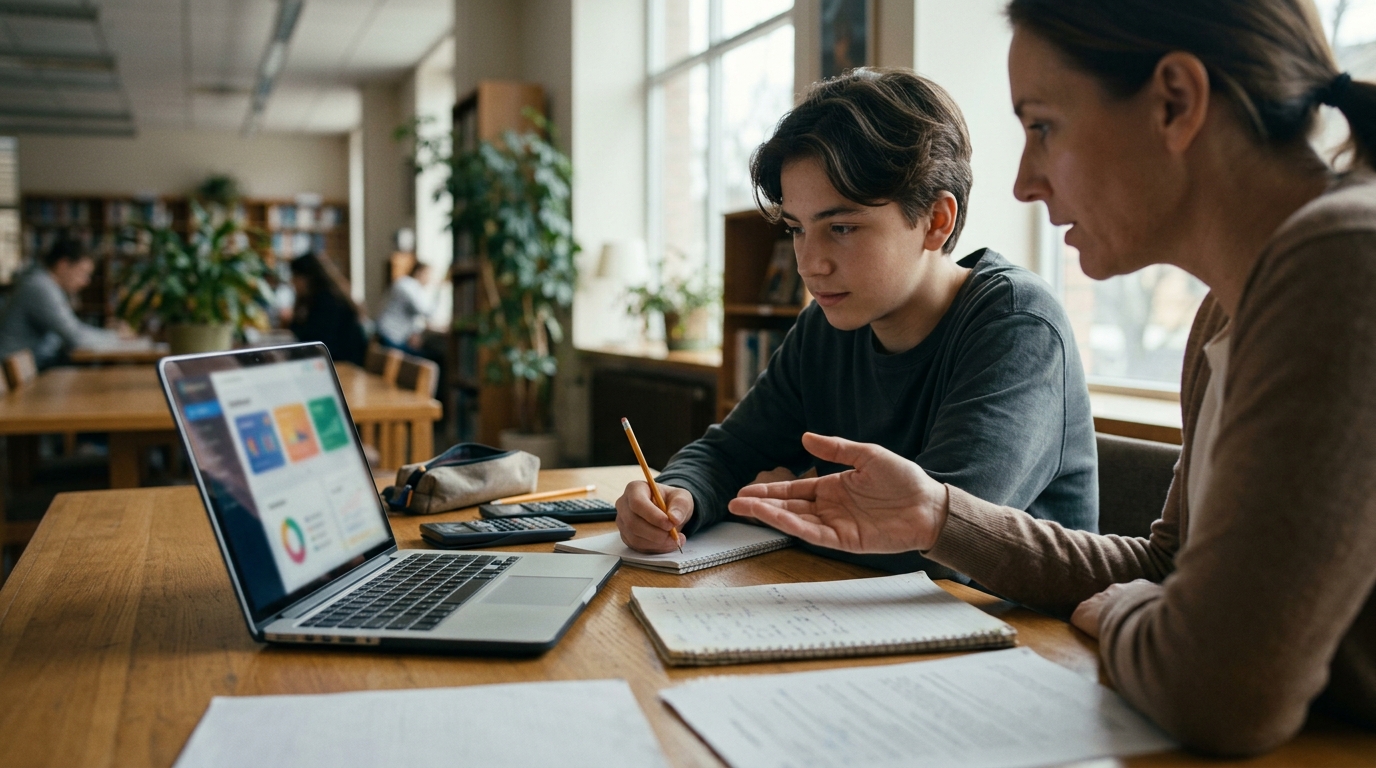
Adaptive learning software can help students, but it rarely replaces the need for human guidance. For middle and high schoolers, these tools offer practice and feedback, yet they often lack the deep conceptual support that a skilled tutor provides. At Got Math Tutoring, we see that technology works best when it supports, rather than substitutes, personalized instruction.
The Promise of Adaptive Algorithms
Adaptive learning software is a digital system that adjusts problem difficulty based on a student's performance. The core promise is efficiency. The software tracks which concepts a student struggles with and serves more practice on those specific topics. This approach aims to reduce time spent on material a student has already mastered. It creates a customized path through the curriculum.
However, the algorithm only knows what the student gets right or wrong. It does not know why. A student might guess correctly on a fraction problem but lack the underlying number sense. The software marks it correct and moves on. This gap between surface-level accuracy and deep understanding is where many students get stuck. The technology optimizes for test scores, not necessarily for mathematical reasoning.
Where the Hype Falls Short
Many parents assume that if a student is using a sophisticated app, they are learning effectively. This is a common misconception. The software provides immediate feedback, which is valuable. But it cannot explain a concept in multiple ways. It cannot detect frustration or confusion in a student's tone of voice. It cannot build the confidence that comes from a human saying, "I can do this."
Consider a student struggling with linear equations. The software will give them ten more similar equations. If they fail, it gives them ten more. It does not step back to ask if the student understands what a variable represents. This repetitive drilling can lead to burnout. It reinforces the idea that math is a series of rigid rules to memorize, rather than a logical language to understand. The hype suggests the software is a teacher. In reality, it is a very advanced worksheet.
The Human Element in Math Education
Effective math tutoring is a process of building a growth mindset and conceptual clarity. A human tutor can diagnose the root cause of an error. They can use analogies, visual aids, and conversation to bridge gaps in understanding. This is something no current software can replicate. The tutor reads the student. They adjust their teaching style in real-time based on emotional and cognitive cues.
At Got Math Tutoring, our approach focuses on turning "I hate math" into "I can do this." We do this by connecting with the student as a person. We understand that anxiety is a major barrier to learning math. A software program cannot alleviate anxiety. A patient, experienced teacher can. This human connection is the critical missing piece in purely digital learning environments.
Using Technology as a Support Tool
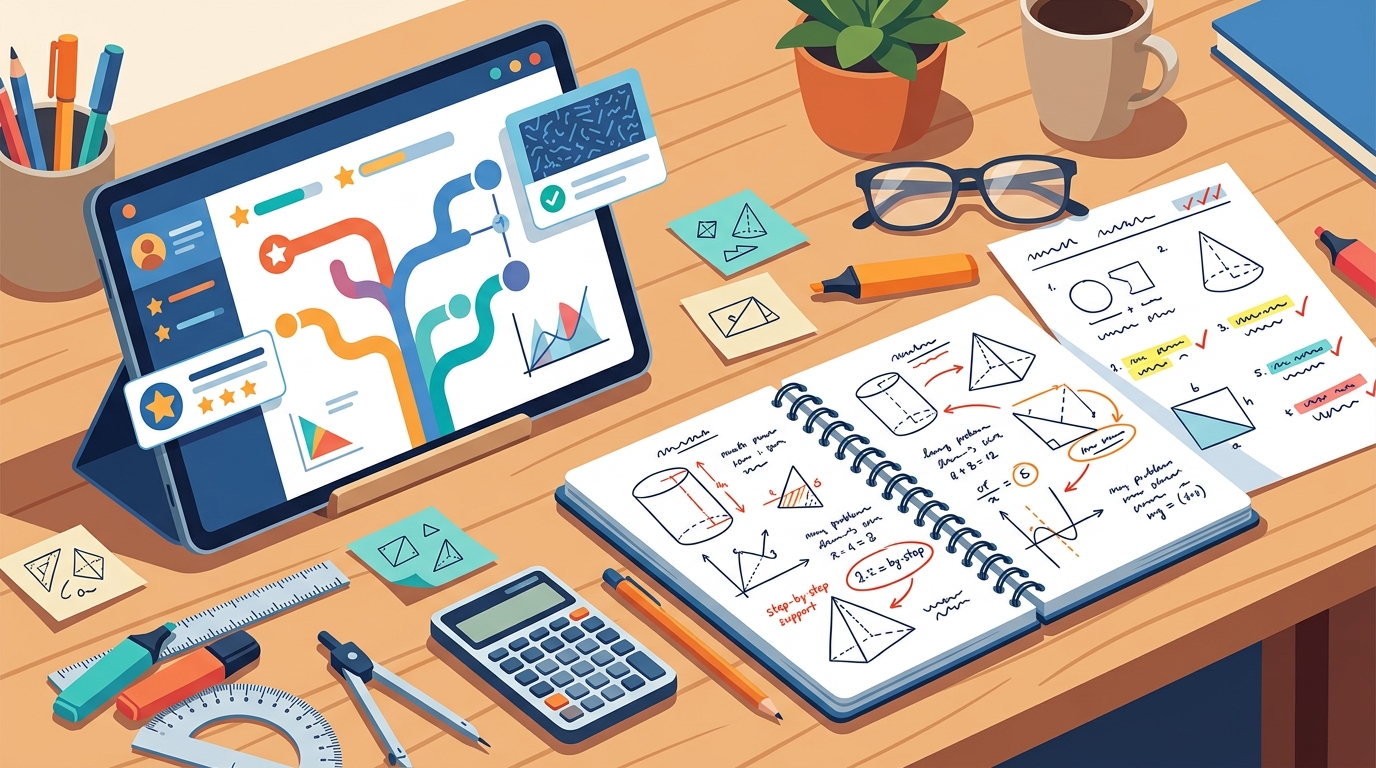
This does not mean adaptive software is useless. It is a powerful tool when used correctly. It is best employed as a supplement to human instruction. A student might use the software for daily practice to maintain fluency. Then, they meet with a tutor to tackle complex, multi-step problems. The tutor uses the software's data to see exactly where the student is struggling. This data-driven insight allows the tutor to focus their time on the most critical areas.
The software handles the repetition. The human handles the reasoning. This hybrid approach leverages the strengths of both. It provides the convenience and tracking of digital tools with the depth and empathy of personalized tutoring. Students who use this combined method often see faster progress than those relying on either method alone. The technology serves the student, not the other way around.
Choosing the Right Learning Path
Parents should look for a balance. If a student is only using an app, ask them to explain a problem to you. If they cannot explain the "why," the software is not doing its job. You need a partner who can teach the "why." Look for educators who emphasize conceptual understanding over rote memorization. They should be able to explain how they use data to inform their teaching.
Key Takeaways
- Adaptive software adjusts difficulty but cannot explain concepts.
- Algorithms track accuracy, not necessarily understanding.
- Human tutors provide the empathy and flexibility software lacks.
- Software is best used as a practice tool, not a primary teacher.
- Combining digital practice with human tutoring yields the best results.
- Confidence and growth mindset are human-driven outcomes.
Frequently Asked Questions
Is adaptive learning software better than a human tutor?
No, it is not better. It is different. Software is excellent for repetitive practice and tracking progress. A human tutor is essential for conceptual understanding, emotional support, and flexible teaching. The best results come from using both together.
Can software replace a math teacher in the classroom?
No. Software can supplement a teacher by providing personalized practice. It cannot replace the teacher's role in facilitating discussion, managing the classroom, and providing holistic educational guidance. It is a tool, not a replacement.
How do I know if my child is actually learning from an app?
Ask your child to explain a problem they solved to you. If they can only recite the steps but cannot explain the logic, they are likely just memorizing patterns. True learning involves the ability to articulate the reasoning behind the solution.
Does Got Math Tutoring use adaptive software?
We may use digital tools to track progress and provide practice. However, our primary focus is on personalized, one-on-one instruction. We use data to inform our teaching, but we rely on human expertise to deliver the lessons and build confidence.
What is the biggest weakness of adaptive math software?
The biggest weakness is its inability to detect and address student frustration or confusion. It treats a wrong answer as a data point, not a signal of distress. It cannot provide the encouragement and varied explanations that a human tutor offers.
Is it worth paying for both software and a tutor?
For many students, yes. The software provides consistent, low-cost practice. The tutor provides high-value, high-touch instruction. This combination ensures the student is both fluent in skills and deep in understanding. It is an investment in comprehensive math success. Learn more: Contact.